Michael Jackson publicly acknowledged having two nose surgeries.
He wrote in his 1988 autobiography Moonwalk that the first followed a broken nose during a dance rehearsal, and he repeated in a 2003 documentary that he'd had two procedures. Many observers believed he had more, which made his nose the most discussed in pop culture.
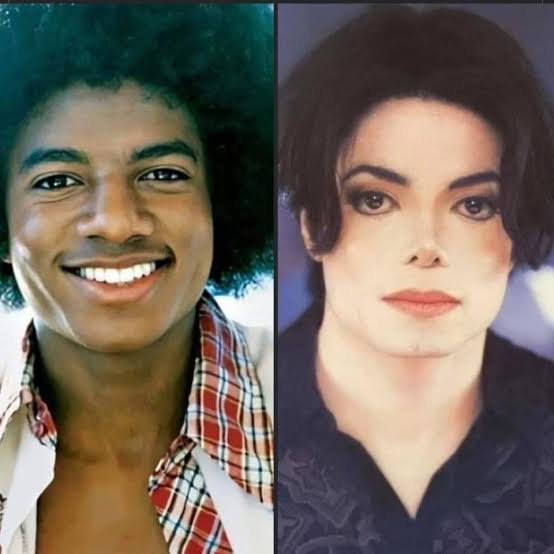
Why did Michael Jackson have rhinoplasty?
Jackson said his first surgery came after he broke his nose rehearsing in 1979. A second procedure followed, which he linked to breathing issues and refinement. He insisted the changes were limited and rejected claims that he had reshaped his entire face.
He also had vitiligo, a skin condition that causes loss of pigment, which changed his appearance over time. That, combined with lighting, makeup and age, made it hard for the public to separate surgery from other changes.
Michael Jackson Rhinoplasty
Why his nose became a global conversation
For three decades, tabloids printed side-by-side photos of his profile. His nose appeared narrower and more defined with each era. Experts have since pointed out that repeated nasal surgery can weaken internal support, which can make later changes more visible.
The constant coverage turned a medical and personal decision into public spectacle, and it shaped how many people still think about cosmetic surgery today.
Lessons for anyone considering rhinoplasty
Jackson’s story is often used to explain the risks of multiple revision surgeries:
- Structure matters. Each operation can reduce the cartilage that holds the nose up.
- Know when to stop. Good surgeons will turn down requests that compromise function or safety.
- Breathing comes first. A nose has to work, not just look a certain way.
- Mental health counts. Ethical clinics screen for body dysmorphia before surgery.
What nasal collapse looks like surgically
Images of Jackson from the late 1990s and 2000s show a nose with a very narrow bridge, a pinched tip and reduced projection — features consistent with over-reduction of cartilage and bone. In rhinoplasty terms, this pattern can involve an “open roof” appearance when the bones are over-rasped without being properly closed, combined with weakened tip support.
These changes can affect breathing as well as appearance. A nose that has had too much structure removed loses the internal support that keeps the airway open, particularly at the nasal valve.
How surgeons handle requests for extreme results today
Ethical rhinoplasty practices now include clearer limits on what surgery will and will not achieve. A surgeon asked to reduce beyond what is structurally safe — whether that means over-narrowing the bridge or over-reducing the tip — is expected to decline or propose a modified plan.
Most clinics also conduct a pre-operative assessment that screens for signs of body dysmorphic disorder (BDD), a condition in which a person perceives flaws in their appearance that others cannot see. Patients with untreated BDD are considered poor candidates for rhinoplasty, because surgery rarely resolves the underlying concern.
Quick facts
- Acknowledged procedures: two nose surgeries
- First surgery: after a broken nose in 1979
- Where he discussed it: Moonwalk (1988) and a 2003 TV documentary
- Other factors in his changing look: vitiligo, makeup and aging
Frequently Asked Questions
How many nose jobs did Michael Jackson admit to?
Two. Speculation about more was never confirmed by him.
Can repeated nose jobs damage the nose?
Yes. Each surgery adds scar tissue and can reduce support, which is why revision cases need specialist planning.
Can a broken nose be fixed with rhinoplasty?
Yes. Post-injury rhinoplasty can straighten the nose and improve breathing, often together with septoplasty.
